The newly translated Seminar VI of Lacan, “Desire and Its Interpretation” exposes interpretation as at once intimately co-implicated in, and incommensurable with, desire. Groundbreaking work by Kevin Floyd in The Reification of Desire situates this knot within the capitalist dynamics of reification and totalization, with an assist from Midnight Cowboy and queer aesthetics. Join InterCcECT for a miniseminar on this conjuncture.
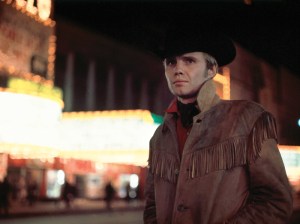
Special guest Earl Jackson leads us Wednesday 30 October, 5pm, UIC, 2028 University Hall, 601 S Morgan St (Blue Line: UIC Halsted).
Readings: “The Dialectic of Desire” (Seminar VI pages 357-406) and “On Capital, Sexuality, and the Situations of Knowledge” (Reification pages 1-38), with extra focus on Floyd’s reading of Midnight Cowboy (154-194).
Contact us for pdfs.
Earl Jackson is Chair Professor in Asia University, Taiwan, and Associate Professor Emeritus, University California Santa Cruz, as well as the Co-director of the Transasian Screen Cultures Institute in Seoul. He is the author of Strategies of Deviance: Studies in Gay Male Representation; the co-editor (with Victor Fan) of Nang#7, The Scent of Boys; and numerous essays on queer theory, and Japanese and Korean cinemas. He is currently completing a monograph, Critical Conditions: Theory and Practice in Japanese Cinema. Jackson has worked in the Korean independent film industry as line producer, film editor, screen writer, and actor.
As always, like us on facebook for frequent links and commentary, and get in touch to propose events!
On our calendar:
15 Oct 20th Anniversary release date Fight Club
1 Nov “After Fiction” University of Chicago
15 Nov Tanya Agathocleous “Civility, the Civilizing Mission, and the Colonial Public Sphere”
18 Nov Monuments of Omission

 Are all political identities fictions? And if not, shouldn’t they be? What is constructed and what is material in the subjectivities, experiences, bodies invoked by “feminist” moments, and how does feminist theory itself produce the opposition of “constructed” and “material”? The Marxist Feminist Sylvia Federici offers bracing correctives to many contemporary debates around biopolitics, performativity, and sexual identity with the weight of decades of feminist praxis; her new book Beyond the Periphery of the Skin: Rethinking, Remaking, and Reclaiming the Body in Contemporary Capitalism centers reproductive labor and boldly reaches for a collective body.
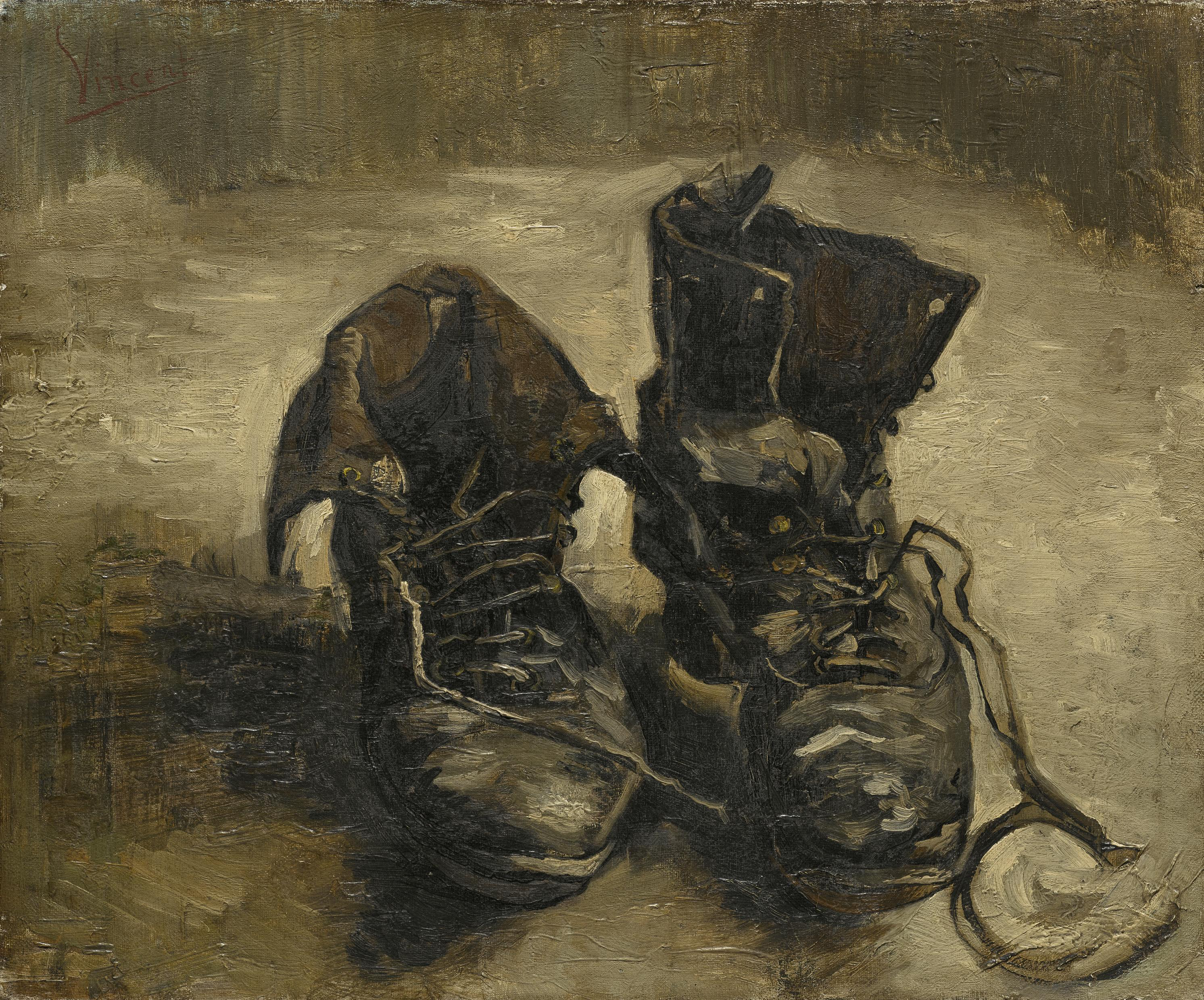


 Join InterCcECT for a reading session Monday 21 January, 5pm-7pm. Red Lion Pub 2446 N Lincoln (Red, Brown, Purple Lines: Fullerton).
 For almost a century, “Political Theology” has named a set of inquires into the secular ideologies that legitimate power and secure social cohesion. How should these inquiries adapt to the specificity of late late capitalism, and what light can their answers shed on the superglue sustaining the preposterous contradictions of the present?
 InterCcECT